Showing posts with label plant. Show all posts

Tuesday, April 14, 2015

咖哩叶开花了!!!


这盆咖哩叶第一次开花叻,连花儿也是咖哩叶香味。

Tuesday, August 5, 2014

我的植物们


这是什么植物什么花啊??

 这盆好可怜喔,几年前这盆植物也被挤的满满地,然后也被分成很多小盆装,但现在很懒惰去弄它啊,很重很难挖出来啊!!

这盆新的花很便宜也很美,我很喜欢!

Friday, September 6, 2013

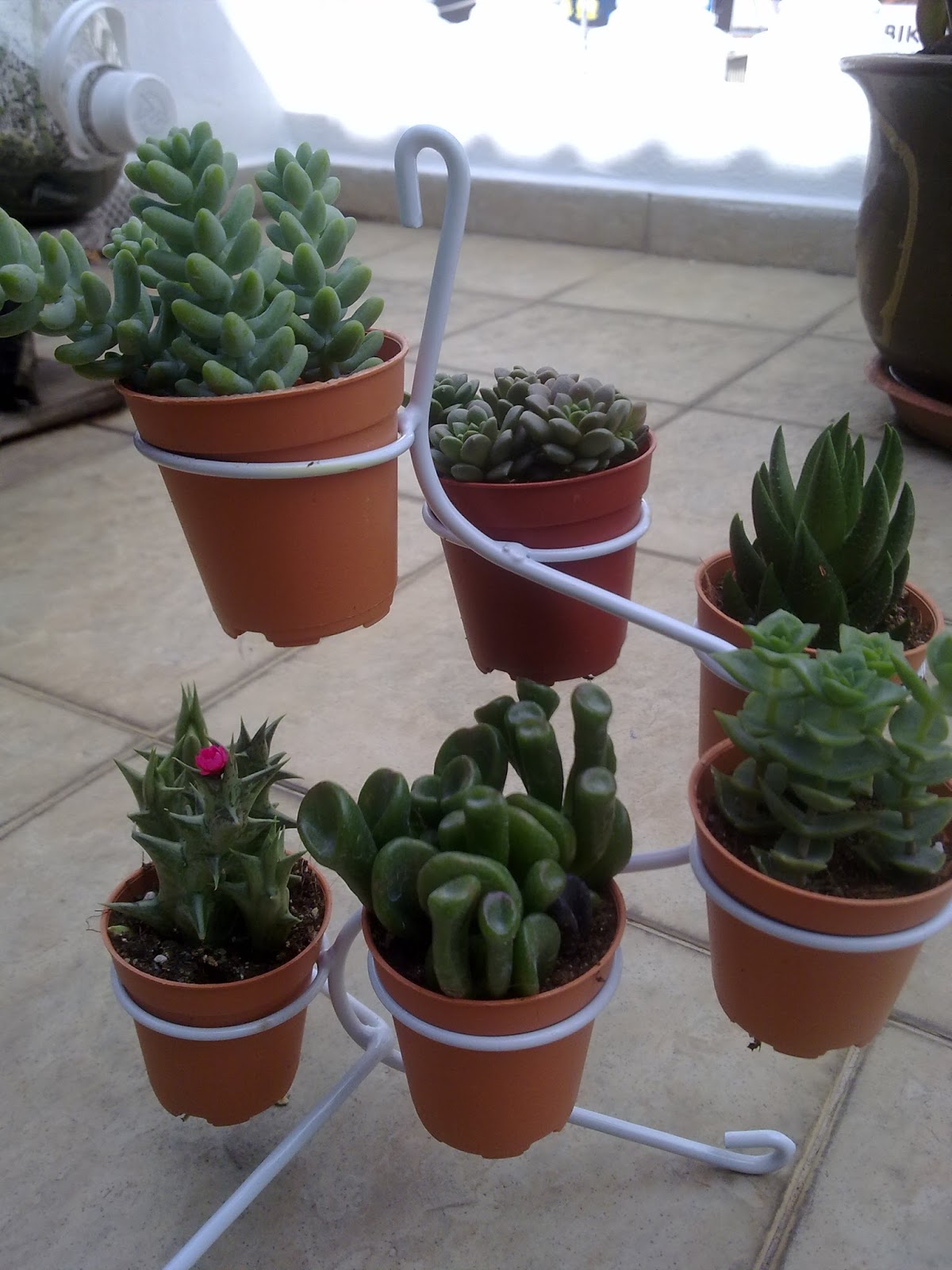
家婆送的仙人掌


几天前,家婆们上金马仑,我就要求他们帮我买一些肉肉仙人掌回来,买回来后他们却不收我的钱,心里感到不好意识,而且还有点压力讷,担心种不活它们辜负了他们。。。
我很喜欢它们啊!!!

Tuesday, December 4, 2012

Succulent Plants


这是几天前买的小植物,它们属于仙人掌不需要多水分,两三天浇点水就可以了。把它们放在玻璃杯再以小石子装饰就非常好看啦,摆置在室内最好不过啦。。。。。

Thursday, August 16, 2012

Is it Sunflowers?


 From what i know the sunflower will always face to the direction of sun, but why they all go different direction?

Saturday, July 14, 2012

Seeds started to growing ........


Back, two pots are chili padi plants,front,left tomato plant, right kamquat桔子


 Bacopa mini flowers


This is the second times the lavendar blossom.

Friday, July 6, 2012

Pruning of plant


Fittonia plant after prune and place it on the egg shell with water,waiting for growing the roots to transfer into new pot.

Tuesday, July 3, 2012

New plants again


                         costus spiralis, rosemary and thyme


Last Saturday i bought the new thyme and different type of rosemary and the back tall plant named costus spiralis,with 2 RM5 pots, all total RM 45.In a sudden, i got a plan for putting my plants on suitable rack,that's mean i am going to do the wooden rack again.......but this time i will buy wooden sticks rather than plank wood because it is cheaper,so i have to nail myself and buy some pots for stacking up on it.

Friday, June 29, 2012

The plant that miss out on my blog for so long

                                                 coleus

  This plant was bought together with i bought the sunflower seed, i think would be bought on dated 3.6.12

Tuesday, June 19, 2012

Dill plant blossom


                                   Hesitate whether to cut off the flower......................

New plants again


                              Pennywort   (hydrocleis)

Celosia

Friday, June 15, 2012

unhealthy herbs


My sweet basil's leaf appeared black spots,that's why i cut it until like that,hopefully the new leaf grows healthy and bushy.


See the thyme.........looks nearly weathered ,the leaf are yellowish and small....


           I really don't know why the lavendula goes weathered........so sad lah.

This is the oregano, and slowly turn color into a bit brownish


   This is the only rosemary, the fragant herb that's grow nice,my rosemary looks different from others people one lah......mine one, leaf a bit small and shorter.

Desert rose's seed 福贵花


My father in law plant this desert rose and the seed are so special (for me).

Sunday, June 10, 2012

Dated 7.6.12 eggshell starter start growing


                           Basil little tiny sprout


                              Sunflower seeds growing out shoot dated 9.6.12 which started plant on 4.6.12 (5days)

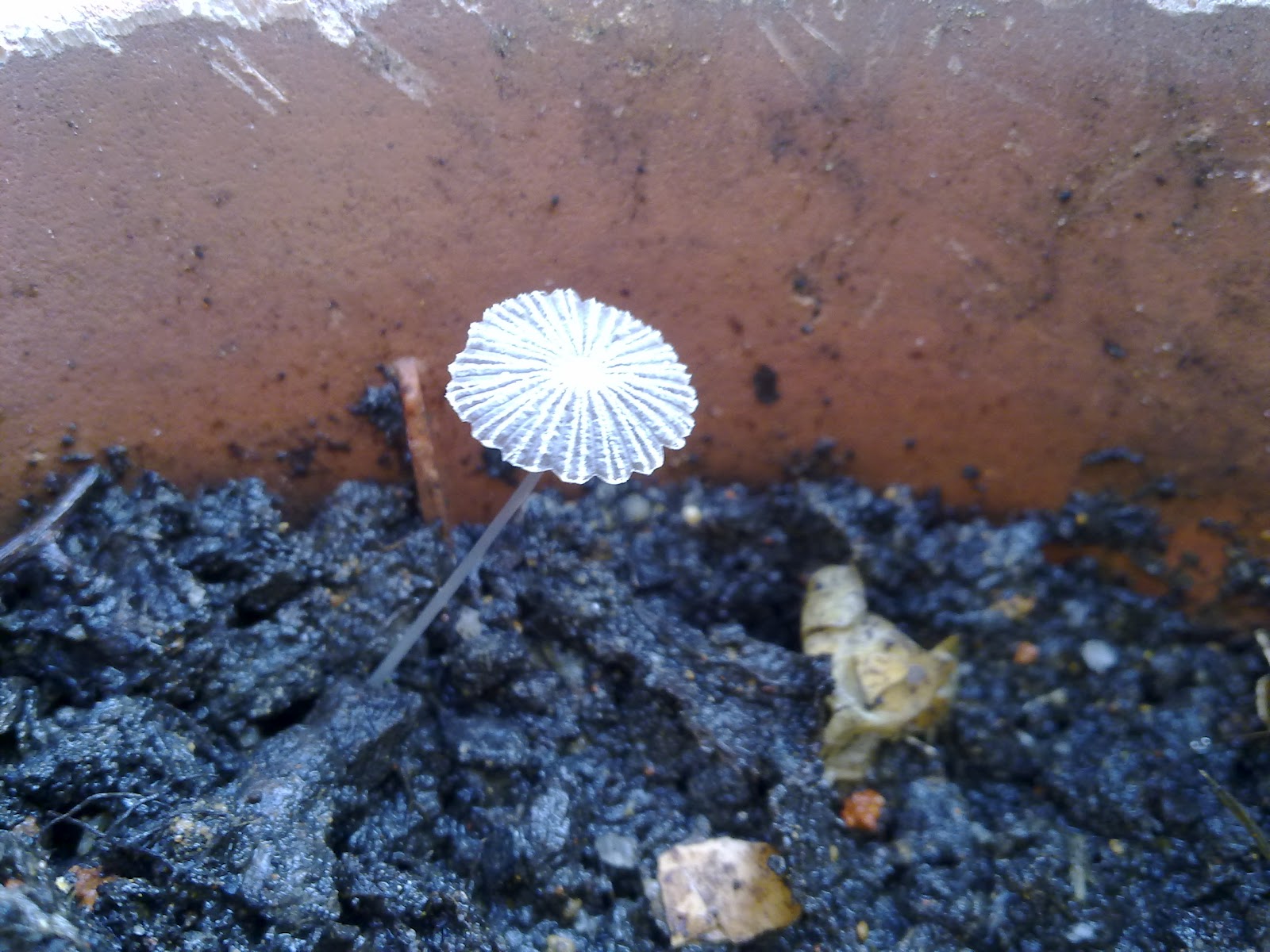
Fungal on my composting pot


See what a beautiful umbrella type of fungal grow on my composting pot after some raining days on dated 6.6.12

Monday, June 4, 2012

Adding the seed growing plants

             
                                    Today try out the tangerine seeds,vietnamese chili padi seeds and this morning bought 2 packs of seeds, sunflowers seeds and melampodium flower seeds.

Friday, June 1, 2012

Lime – Soil Amendment Or Soil Conditioner?

Some garden experts suggest that lime is a soil amendment. Others claim that it is a soil conditioner.

These are both rather vague terms and leave the average homeowner/gardener still in the dark as to just why lime should be used.

Some authorities are more definite in their recommendations and say that lime is used to correct soil acidity. A few mention lime as a fertilizer, whereas others believe that it should never be considered as one.

Such general and conflicting statements are confusing to homeowners and may result in their hesitancy to use this rather cheap, innocuous white powder assumed to be of little apparent value.

Key To A Better Lawn and Garden?


However, as this “white powder” may be the key to a better lawn and garden, it behooves every gardener to gain a better understanding of its functions and value.

The first and most important purpose of lime is to change an acid soil to the proper reaction for the particular plants like vegetables to be grown.

When an expert is consulted concerning any trouble with plants and cannot immediately recognize the cause from the appearance of a plant, he will usually ask, “Is the soil acid?” Such a question would seem to imply that an acid soil is the cause of considerable trouble. So it is.

Plant Preferences – Slightly Acid

The majority of plants commonly cultivated prefer a soil which is only slightly acid. Therefore, if the soil in your garden and lawn is medium to very acid it will be necessary to use lime to neutralize partially the acidity and make it possible for you to grow vigorous, healthy plants.

In an acid soil, some of the desirable plant food elements are combined with other chemicals to form insoluble compounds.

Under such conditions much of the plant food in the soil, as well as in the fertilizers which may be applied, will not be available to the plants.

As soon as lime is used and well mixed with the soil, the acidity is neutralized, the reaction changed and the various plant food elements will form soluble compounds readily available to the plants.

The accompanying chart illustrates this point. Although not strictly accurate chemically or in showing the relative proportion of the various elements, it should help to show how the availability of the nutrient elements changes with the soil reaction.

http://images.plant-care.com/element-soil-reaction.jpg

Best Levels of pH For Nutrients?

Note: The greatest total of the desirable plant foods is available in the column between pH6 and pH7 or when the soil is slightly acid.

Therefore, the majority of our cultivated plants grow best in this range. The undesirable element, aluminum, is soluble only when the soil is very acid or very alkaline.

You will also note that the essential trace elements – boron, iron, manganese, copper and zinc — become unavailable when the soil is even slightly alkaline. This will emphasize the care that must be taken when applying lime. Too much may be as bad, or worse, than too little.

Amazing Activity in Soil

Few homeowners/gardeners are aware of the tremendous activity which is constantly going on in a good garden soil.

Earthworms are improving the soil texture; bacteria are breaking down complex compounds in the soil and in fertilizers, converting them into simpler forms available to the plants; beneficial fungi are making humus out of plant roots, compost and other plant debris.

In fact, hundreds of different kinds of minute plants and animals, called microorganisms, are working to improve the soil. A tablespoon of good garden soil may contain a billion of them. Incomprehensible? It certainly is; nevertheless, it is true.

The presence of these microorganisms in action means the difference between a “dead” and “live” soil. As the soil becomes more acid, it becomes impossible for these organisms to live.

Hence the presence of plant and animal remains, thousands of years old, in bogs. The application of lime to acid soils changes the picture within a few months, by creating conditions favorable to the growth and activity of these beneficial organisms.

What Is Potting Soil Made Of?

Potting soil is a combination of several ingredients that are chosen to provide the best drainage, support and nutrition to plants. Commercial potting soils and homemade mixes contain similar ingredients. They are usually a mix of three substances. On assists in holding moisture, a different ingredient provides support for the plant so it stays upright, and the third provides drainage and aeration. Different combinations are used, depending on the specific needs of the plant.

Compost
Compost is the nutrient-rich byproduct of decomposing organic material. Use a vegetative compost from a home compost pile for most homemade potting soil mixes. Commercial potting soils often have a combination of vegetative compost and manure compost. Manure compost commonly uses the manure of chickens, though worm castings are common for home composters. Compost provides nutrition to the plants as well as helps retain moisture. Most commercial and homemade potting mixes contain one part compost

Peat Moss
Peat moss is another additive that adds nutrition, though not in the same quantities as compost, and helps in moisture retention. Peat moss is a mixture of sphagnum moss and peat, a special type of decomposed soil. Peat moss releases moisture slowly into the rest of the potting mixture. It is also lighter than the compost, allowing more aeration to the plants' roots. Peat moss is used in addition to, or as a replacement for, compost in potting mixes.

Perlite
Perlite is a volcanic rock and resembles small pieces of white Styrofoam in potting mixes. Water inside the rock expands when heated at high enough temperatures, which cause the structure of the rock to break down and become light and airy. Perlite aids with drainage to prevent the potting soil from becoming too wet. It also provides air pockets in the soil for the roots.

Vermiculite
Vermiculite is another type of rock. When heated, the vermiculite rocks expand and break apart, resembling worms in the process. Vermiculite aids in the drainage and aeration of the soil, allowing the roots to freely grow. It is often used with peat moss in compost-less potting mixes.

Sand
Common sand is usually added in small quantities to assist in drainage and to support the plant so it remains upright. Sand must be clean and sterilized when used in potting mixes. Small pieces of gravel are substituted in mixes for drought-tolerant plants so the roots do not become too wet.

Bark
Bark, commonly pine bark, is added to potting mixes to aid in water retention and soil retention. The bark breaks down in the soil over time, releasing nutrients as it does so. It often comes mixed into commercial bags of compost.